The History of the Monaco Grand Prix

The Monaco Grand Prix

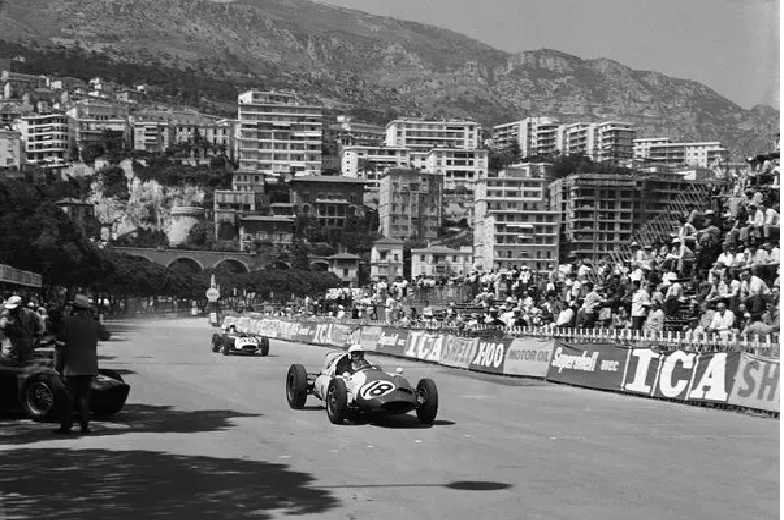
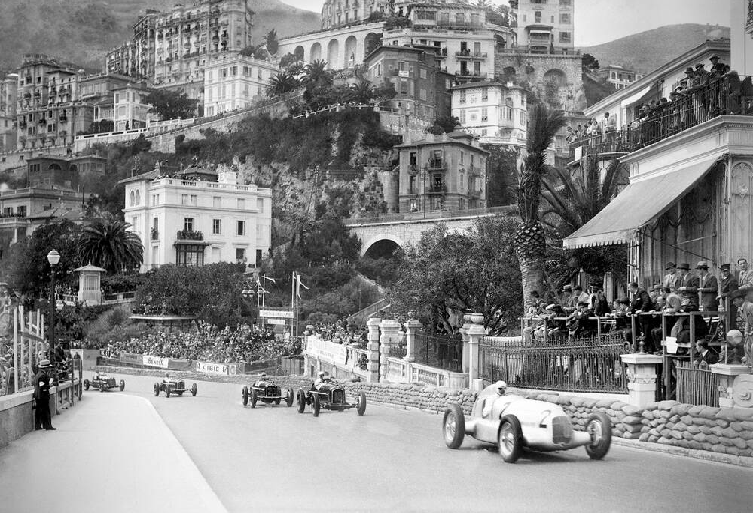
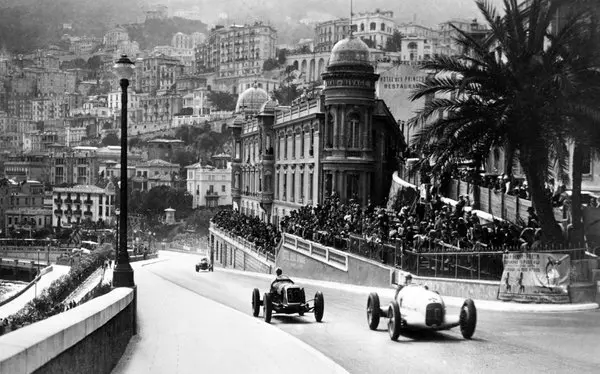
The Monaco Grand Prix is a historic and prestigious automobile race held on the streets of Monte Carlo since 1929. The race is famous for its narrow and winding street circuit, which makes it one of the most challenging and dangerous races in the world.

Origins and Early Years

The idea for a Grand Prix in Monaco came from Antony Noghès, president of the Automobile Club de Monaco (ACM), in 1929. The ACM wanted to be upgraded from a regional French club to a national club, but was denied because it didn't host a major motorsport event entirely within the principality. The Monte Carlo Rally was ruled out as it mostly took place in other countries. With the support of Prince Louis II and Monégasque driver Louis Chiron, Noghès proposed a street race.

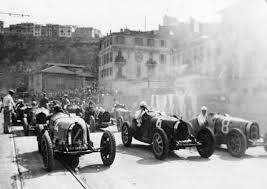
The first Monaco Grand Prix was held on the famous streets on April 14, 1929. It was an invitation-only event won by William Grover-Williams driving a Bugatti.

The race quickly gained importance and was included in the first Formula 1® World Championship in 1950, which Juan Manuel Fangio won.

After a one-year hiatus in 1951 and a fatal accident in 1952, the race didn't return to the F1® calendar until 1955. It has been a permanent fixture ever since.

Legendary Drivers and Iconic Moments

 Graham Hill (Mr Monaco)

 The British driver became known as "Mr Monaco" after winning the race five times in the 1960s. He was the first person to truly dominate the circuit and held the win record until 1993. Hill is also the only driver to have won the Triple Crown of Motorsport, which consists of the Monaco Grand Prix, the Indianapolis 500, and the 24 Hours of Le Mans.

  Ayrton Senna

  The late Brazilian driver holds the record for the most Monaco Grand Prix wins, with six victories. He won five of these consecutively between 1989 and 1993. His 1992 win, when he famously held off the faster Nigel Mansell for the final five laps, is considered one of the greatest defensive drives in F1® history.

 The 1982 "Race No One Wanted to Win"

 This race is known for its chaotic final laps. The lead changed hands multiple times as drivers either crashed, ran out of fuel, or suffered mechanical failures. Riccardo  Patrese, who had spun his car and stalled, eventually won the race after restarting his car and crossing the finish line first.

 Alberto Ascari's Plunge

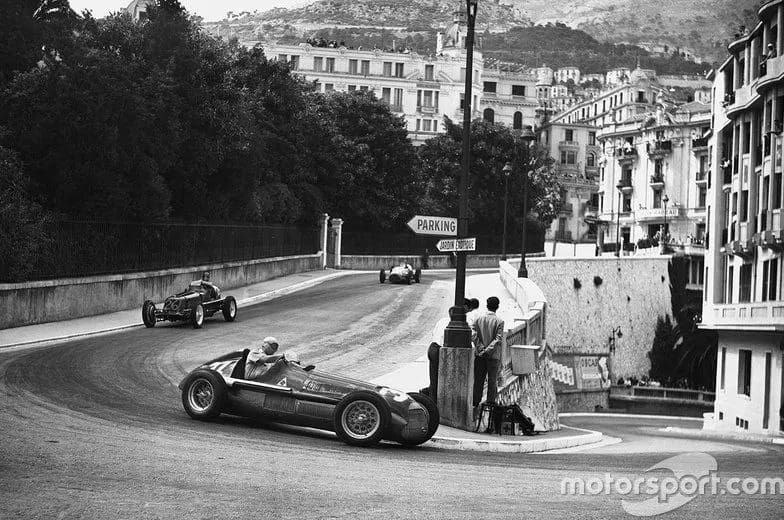
 During the 1955 race, two-time world champion Alberto Ascari missed the Nouvelle Chicane and plunged his Lancia into the harbour; however, he was rescued and escaped with only a broken nose, but tragically died in a testing accident at Monza just four days later.

The Circuit Today

The Circuit de Monaco is a 3.337 km (2.074 mi) street circuit considered the ultimate test of a driver's skill and precision.

The track has remained essentially unchanged since its inception and is famous for its tight corners, elevation changes, and the iconic tunnel section.

Overtaking is difficult because of the narrow streets and lack of runoff areas, making a strong qualifying position crucial.

The Monaco Grand Prix is also known for its glamorous atmosphere, with celebrities and royalty flocking to the principality to watch the race from luxury yachts and hotels.

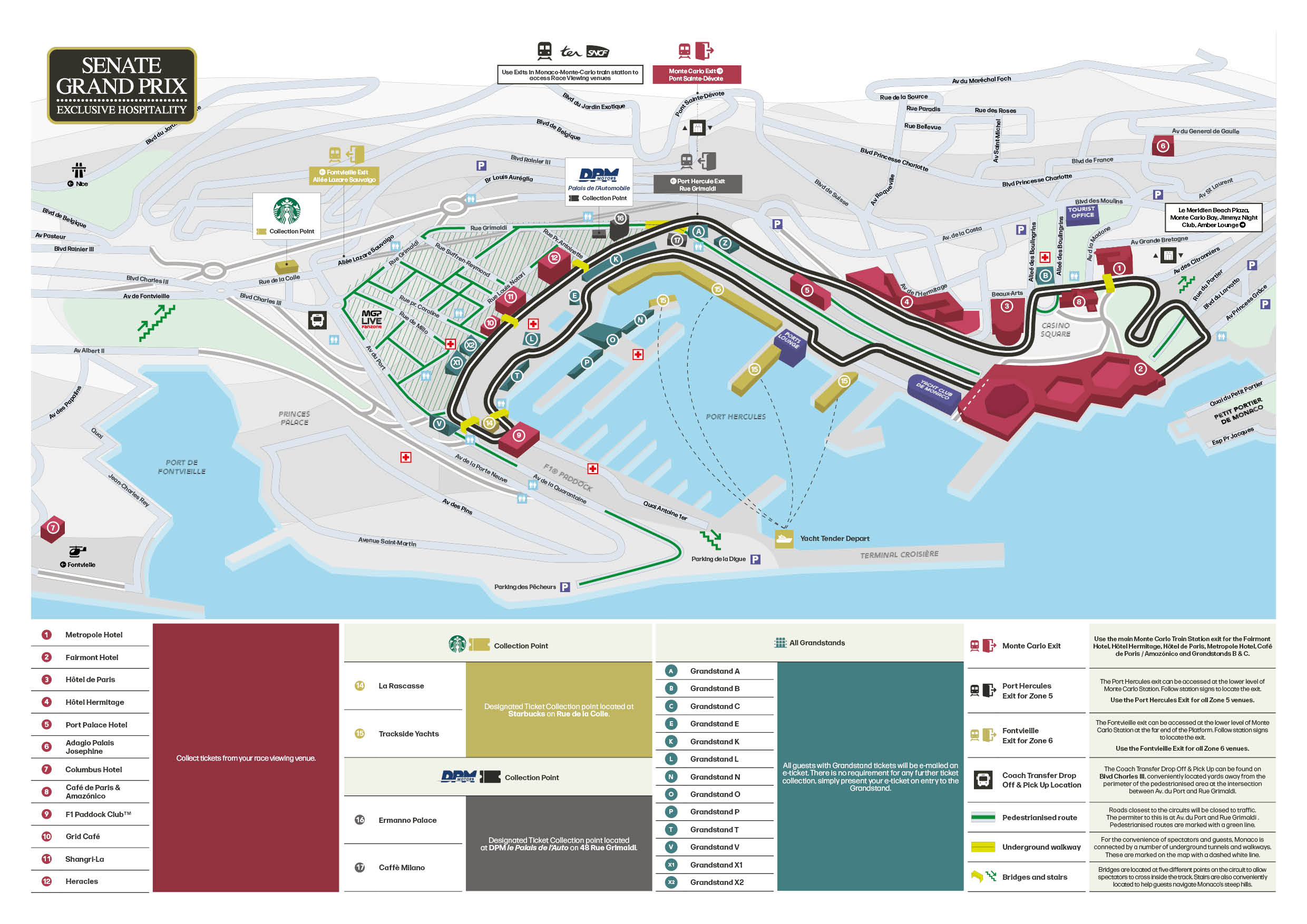
The unique challenge of the circuit, combined with its history and prestige, makes a win at Monaco one of the most coveted achievements for any racing driverA detailed map of the Monaco Grand Prix circuit, showing the layout and key locations.
https://www.monacograndprixhistoric.com
https://senategrandprixracing.blogspot.com
https://www.senategrandprix.com/Guide
https://www.senategrandprix.com/Monaco-Restaurants



The Monaco Grand Prix

The Monaco Grand Prix is a historic and prestigious automobile race held on the streets of Monte Carlo since 1929. The race is famous for its narrow and winding street circuit, which makes it one of the most challenging and dangerous races in the world.

Origins and Early Years

The idea for a Grand Prix in Monaco came from Antony Noghès, president of the Automobile Club de Monaco (ACM), in 1929. The ACM wanted to be upgraded from a regional French club to a national club, but was denied because it didn't host a major motorsport event entirely within the principality. The Monte Carlo Rally was ruled out as it mostly took place in other countries. With the support of Prince Louis II and Monégasque driver Louis Chiron, Noghès proposed a street race.

The first Monaco Grand Prix was held on the famous streets on April 14, 1929. It was an invitation-only event won by William Grover-Williams driving a Bugatti.

The race quickly gained importance and was included in the first Formula 1® World Championship in 1950, which Juan Manuel Fangio won.

After a one-year hiatus in 1951 and a fatal accident in 1952, the race didn't return to the F1® calendar until 1955. It has been a permanent fixture ever since.

Legendary Drivers and Iconic Moments

Graham Hill (Mr Monaco)

The British driver became known as "Mr Monaco" after winning the race five times in the 1960s. He was the first to truly dominate the circuit and held the win record until 1993. Hill is also the only driver to have won the Triple Crown of Motorsport, which consists of the Monaco Grand Prix, the Indianapolis 500, and the 24 Hours of Le Mans.

Ayrton Senna

The late Brazilian driver holds the record for the most Monaco Grand Prix wins, with six victories. He won five of these consecutively between 1989 and 1993. His 1992 win, when he famously held off the faster Nigel Mansell for the final five laps, is considered one of the greatest defensive drives in F1® history.

The 1982 "Race No One Wanted to Win"

This race is known for its chaotic final laps. The lead changed hands multiple times as drivers either crashed, ran out of fuel, or suffered mechanical failures. Riccardo Patrese, who had spun his car and stalled, eventually won the race after restarting his car and crossing the finish line first.

Alberto Ascari's Plunge

During the 1955 race, two-time world champion Alberto Ascari missed the Nouvelle Chicane and plunged his Lancia into the harbour; however, he was rescued and escaped with only a broken nose, but tragically died in a testing accident at Monza just four days later.

The Circuit Today

The Circuit de Monaco is a 3.337 km (2.074 mi) street circuit considered the ultimate test of a driver's skill and precision.

The track has remained essentially unchanged since its inception and is famous for its tight corners, elevation changes, and the iconic tunnel section.

Overtaking is difficult because of the narrow streets and lack of runoff areas, making a strong qualifying position crucial.

The Monaco Grand Prix is also known for its glamorous atmosphere, with celebrities and royalty flocking to the principality to watch the race from luxury yachts and hotels.

The unique challenge of the circuit, combined with its history and prestige, makes a win at Monaco one of the most coveted achievements for any racing driver

A detailed map of the Monaco Grand Prix circuit, showing the layout and key locations.

https://www.monacograndprixhistoric.com
https://senategrandprixracing.blogspot.com
https://www.senategrandprix.com/Guide
https://www.senategrandprix.com/Monaco-Restaurants

Stripe-Secure Credit Card Partnership
F1® Google Reviews 4.9
Official  F1® Trustpilot 4.9 Partnership Logo
Official F1® Licensed Partner Reseller
Singapore Official F1® Licensed Partner
Licensed Partner Hotel de Paris
Official Licensed Partner Hotel Hermitage
Le Méridien Beach Plaza Hotel
Fairmont Hotel F1® Licensed Partner
Columbus Hotel F1® Licensed Partner
Metropole Hotel F1® Licensed Partner
Official Licensed Partner Of the Monte Carlo Bay Hotel
Wings For Life Charity
Silverstone Official Agent
Port Palace Monaco Official Partner

The F1 FORMULA 1 logo, F1 logo, F1, FORMULA 1, FIA FORMULA ONE WORLD CHAMPIONSHIP, GRAND PRIX and related marks are trademarks of Formula One Licensing BV, a Formula 1 company. All rights reserved